Buying a three-wheeler you plan to keep? Five parts to check before the sale
Carriage House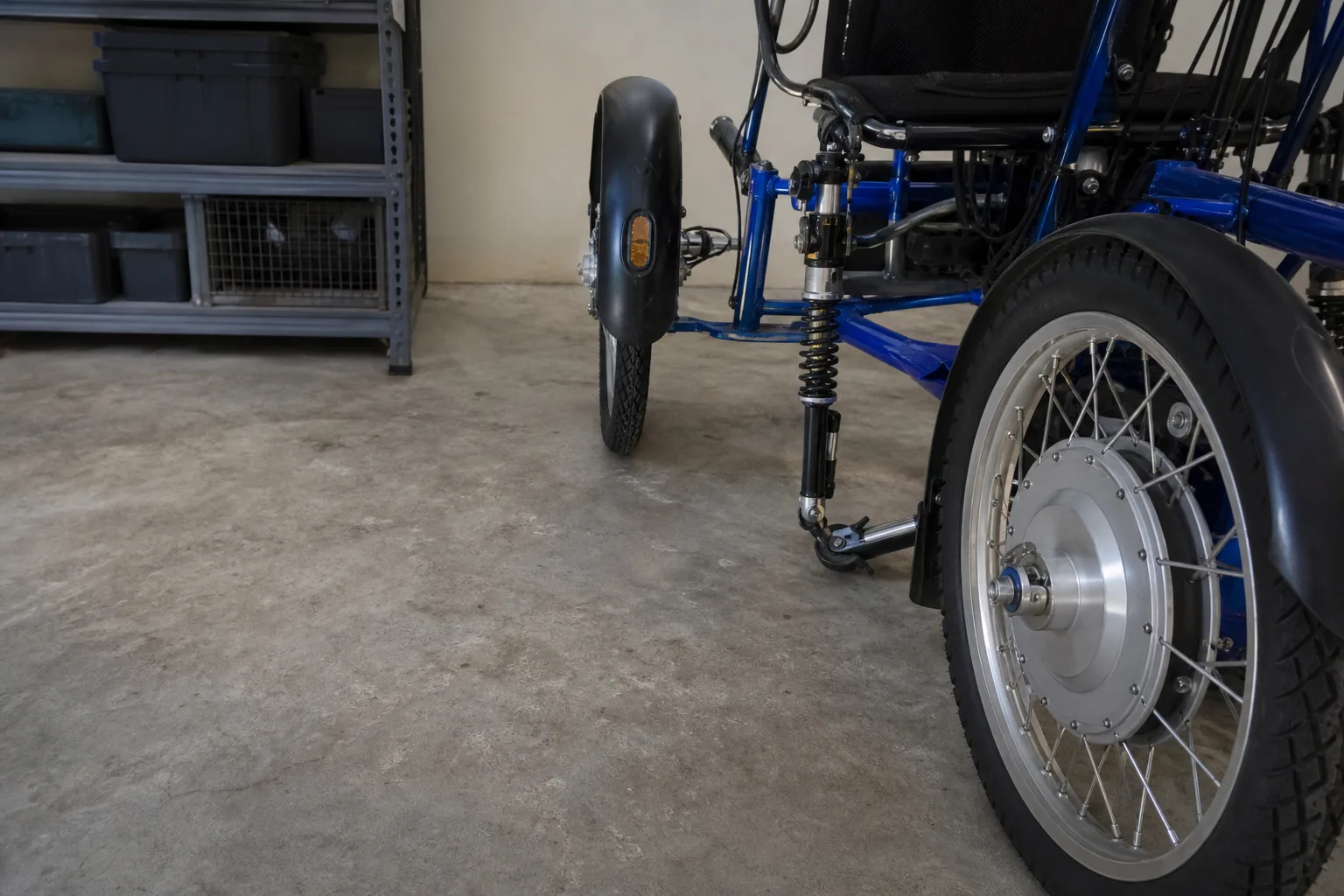
A three-wheeled electric cycle is a bicycle in most respects and an appliance in a few, and the appliance parts are where ownership gets decided. Frames rarely fail. Wheels can be rebuilt anywhere. What ends a trike, usually around year four or five, is a single electronic component that nobody stocks and nobody will fabricate a substitute for. The careful reader checks that before the sale rather than after, because the questions take about twenty minutes to ask and the answers change which machine is worth buying.
1. The controller, and whether it can be replaced generically
The controller is the box that takes battery voltage and turns it into motor phase current, and it is the part most likely to leave a trike parked. Ask two things: what voltage and current rating it carries, and whether the connectors are standard bullet and higo fittings or a molded harness unique to the brand. A generic 48-volt controller with labeled phase wires can be sourced from a dozen suppliers for well under a couple hundred dollars, and any competent shop will splice one in. A sealed proprietary unit, keyed to a display that only talks to itself, has exactly one source.
2. The hub motor, and how ordinary it is underneath
Most trike motors are rebranded versions of a small number of geared or direct-drive hubs made by a handful of manufacturers, and that is good news, because the wearing parts inside are nylon planetary gears and bearings that cost very little. What matters is not the badge on the side cover but the physical facts: dropout width, axle flats, cable exit, and whether the motor is laced into a wheel size that a shop can rebuild. A 20-inch rear hub in a 135-millimeter dropout is replaceable almost anywhere. A one-off cassette-side casting is not, so ask for the numbers before you rely on the name.
3. The battery, priced as a future purchase rather than an included one
Assume the pack is a consumable with a life measured in charge cycles, and price the replacement now, at today's quote, from the seller. Ask whether the pack is a common rail-mount or dock format that third parties build to, or a shaped case molded into the frame, because that single fact separates a routine reorder from a custom build. Ask who assembles the cells and whether replacements will be sold separately in five years. The Consumer Product Safety Commission oversees safety for consumer products including battery-powered cycles, which is a reason to buy packs with recognized certification marks and a documented supplier rather than the cheapest listing available.
4. The display, throttle and sensor chain, which fail quietly
Small parts strand riders more often than big ones. A pedal-assist cadence sensor with a cracked magnet ring, a throttle whose hall sensor drifts, a display whose ribbon connector corrodes after a wet winter: none of these are expensive components, and all of them are unavailable if the brand keys them to itself. The useful question is whether the display speaks a documented protocol, since a trike running a common bus can accept an off-the-shelf replacement head unit and keep working. Ask the seller to name the protocol. A firm answer is worth something; a shrug tells you plenty as well.
5. The shop, called before the purchase rather than after
Call two or three bike shops within a reasonable drive and ask three plain questions: do you service electric trikes, do you service this brand, and will you work on a machine you did not sell. Some shops decline all electric work for liability reasons, some decline direct-to-consumer brands specifically, and some will do mechanical work but not touch the wiring. Ask what they charge for a wheel rebuild around a customer-supplied hub motor, because that number tells you how routine the work is to them. A shop that has done it before is worth choosing a brand around.
The pattern across all five checks is the same one: prefer parts that exist in a catalog somewhere other than the manufacturer's own. A trike built from ordinary components can be kept running by anyone with a torque wrench and a soldering iron, for a decade or more, at costs that stay small and predictable. That is a fair thing to trade a little price or styling for, and the buyers who ask these questions first tend to still be riding when others have stopped.
| Controller connector type | Standard bullet and waterproof round connectors mean a replacement controller can come from any supplier. A molded, brand-specific harness means one source and one price. |
| Voltage and amp rating | Knowing the pack voltage and the controller's continuous current rating lets you shop for a generic substitute later. Write both numbers down at purchase. |
| Hub motor dropout width | A rear hub in a common dropout spacing can be swapped or relaced by an ordinary wheel builder. Unusual castings limit you to the original supplier. |